

Digital Love: technology innovation for grass roots music venues
This blog explores some of the research being undertaken by the CoSTAR National Lab in order to foster knowledge exchange and to share some of the lessons being learnt.

We catch up with Professor Will Saunders MBE, Creative Head of the CoSTAR National Lab, to ask what inspired the latest funding call for innovation with UK grass roots music venues across the UK and learn about the research behind it.
What is the area of research this project is exploring?
The question we are asking is; what role can new and emerging technologies play in supporting a more equitable future for the UK’s live music sector? How might access to CoSTAR’s technical infrastructure and research expertise help to address real world challenges and unlock new possibilities for grass roots music venues across the UK?
Why is this area of research important to the future of the UK’s Creative Industries?
Grass Roots Music Venues have intrinsic cultural value. They provide shared social experiences. They offer emerging artists their first opportunities, and they stimulate local economies.
The Music Venue Trust’s 2024 Annual Report acknowledges a significant decline in the number of grassroots venues, with two closing every month in the UK. It also emphasises the need for practical interventions and action to address the challenges facing the grassroots sector.
There has been a dialogue around levies on arena shows, the reform of business rates and VAT reduction on tickets but until now I have not been aware of the case being made for an increase in R&D support for grass roots venues and emerging artists.
We've seen the transformative power of creative technology in large-scale productions, from ABBA Voyage to The Mandalorian. Now, we're channelling that innovative spirit and access to emerging technologies into the foundational bedrock of our music ecosystem: grassroots music venues.
We know from our 2022 DCMS funded immersive history project StoryTrails the transformative power of innovation from the ground up, and how companies can respond positively to creative and technical constraints.
In this instance we are asking how with access to CoSTAR National Lab’s technical facilities and its research expertise could companies support innovation that might connect artists and audiences in new ways and deliver portable and scalable potential solutions to some pressing real world problems.
What was the specific problem space/question/opportunity you were exploring in this project?
The problem space we are exploring is defined by the amount of grass roots music venues that are either closing or in a state of emergency because of what are becoming rapidly unsustainable business models. In 1994 artists were playing an average of 22 shows in different towns and cities on an average tour. In 2024 this has been reduced to 11.
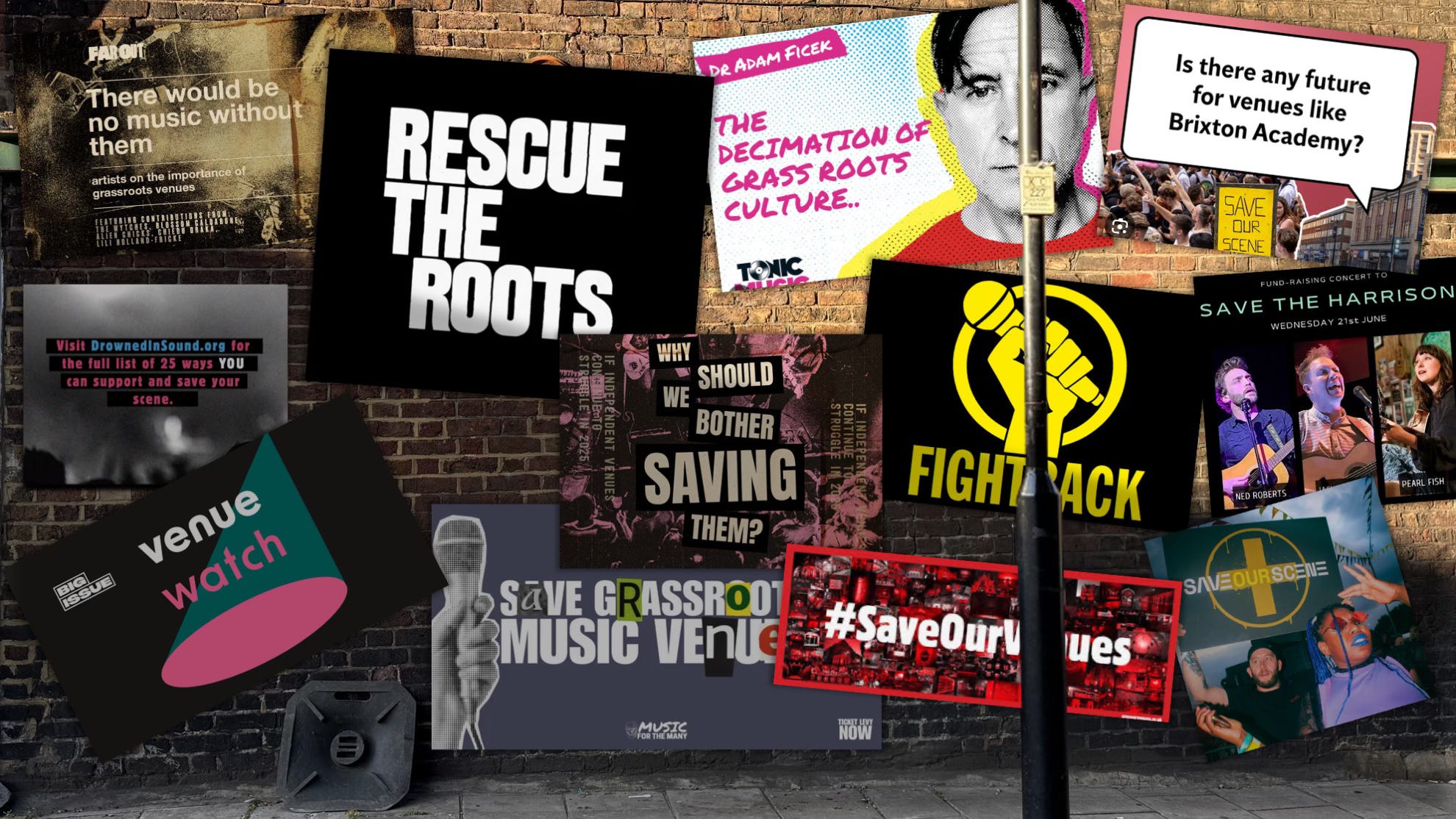
Culture Secretary Lisa Nandy told a music industry conference last year that "too many parts of the country have become cultural deserts" after more than 100 venues closed in 2024
The grass roots sector has lobbied and is winning arguments around the need for levies on large stadia and arena tours and is making the case for VAT reductions but in collaboration with MusicFutures in Liverpool and with the support of the Music Venue Trust we are now asking the question, how might technology innovation support grass roots venues across the UK?
How for example might Blockchain, ethical use of AI, or spatial technologies help to connect, artists, audiences and venues in new ways? How could exciting portable and scalable ideas support the development of new business models in the pursuit of a more equitable live music ecosystem?
How did the project start, what did you do and who was involved?
This project was begun by the CoSTAR National Lab’s WorldBuilding Team who conducted 63 in-depth interviews with stakeholders across the UK’s live music sector. Artists, venue owners and operators, promoters, managers, stage designers, and other industry professionals were all included. After transcribing the interviews, the team looked for patterns emerging from the data and identified the central themes of concern and interest to our interviewees. The results of this work will be published in a report later this year but you can read a preview in our Executive Summary here.
What happened next?
Following data analysis the WorldBuilding team needed to sense check findings with a representative group and we needed to bounce around a few ideas about the sort of support and innovation the grass roots music sector might find most impactful.
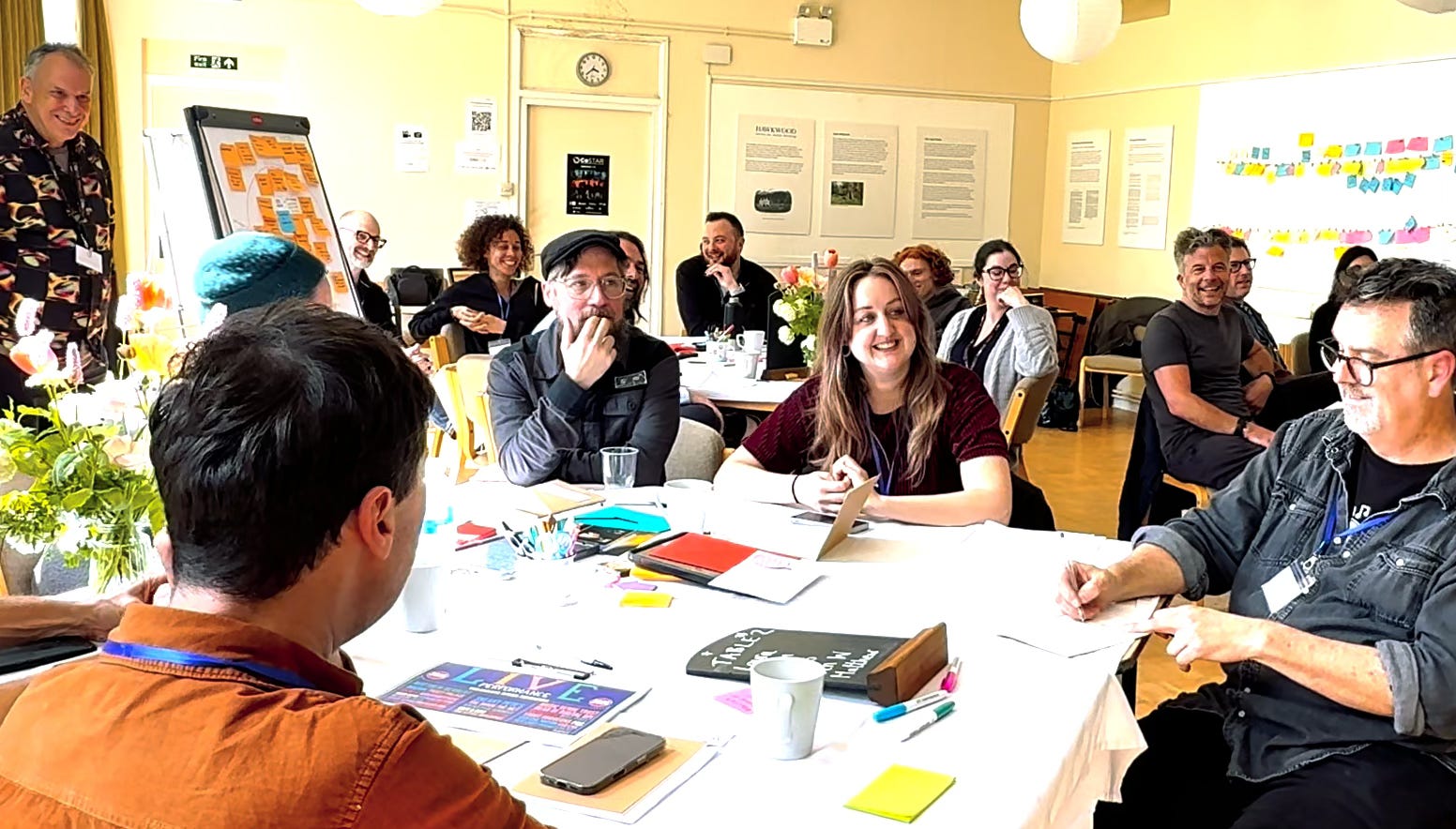
Venue owners, artists and creative technologists share ideas at with our WorldBuilding team in Stroud this year
In May this year we took 23 artists, venue owners and operators and creative technology companies to a workshop in Gloucestershire, listened to their collective pain points and then got them to think about how technology innovation might be valuable to them? What problems might it need to solve? How might it support artists to find new audiences or to engage more deeply with a fan cycle before, during and after gigs?
What was the output that you finally delivered that you want people to know about?
We recorded sessions from our residential workshop, played them back, analysed them and set about developing the first CoSTAR National Lab R&D competition.
Grass Roots Venue Innovation in collaboration with MusicFutures and supported by The Music Venue Trust will award up to 3 projects, give them access to CoSTAR and MusicFutures Technical Facilities and Research Expertise and cash funding to develop exciting ideas that will be tested in front of audiences early in 2026.
What happens next?
Now that the call has launched we have until the August Bank Holiday to see how companies will respond to this opportunity. We’ll be working hard with different sector bodies and creative industries organisations to socialise and syndicate the funding call and we’re working with a number of different grass roots venues across the UK to ensure that companies know that there are venues near them who are keen to participate.
